

Driven by animal rights ideology, the bill imposes arbitrary standards that are often incompatible with real-world kennel management. It jeopardizes licensed, inspected breeders and reduces access to purpose-bred dogs.

Goldie’s Act shifts USDA’s role from education and compliance to aggressive enforcement rooted in animal rights ideology. It threatens due process and empowers activist-driven complaints to trigger federal action based on vaguely defined standards of care.
If passed, Goldie's Act would change AWA enforcement so that inspectors must document all violations and remove the current distinction between “direct” (animal welfare) and “indirect” (paperwork/recordkeeping) violations—effectively treating paperwork issues as direct violations under the AWA.
This legislation creates a new federal felony offense for causing "serious harm" to an animal under federal law, using undefined and overly broad language, which could be exploited to prosecute lawful animal owners, farmers, ranchers, breeders, and exhibitors based on activist claims—not actual wrongdoing.

This federalizes animal cruelty enforcement, traditionally handled at the state level. It paves the way for federal overreach and prioritizes activist-driven agendas targeting legitimate animal businesses. H.R.1477 would establish an Animal Cruelty Crimes Section within the U.S. Department of Justice to coordinate enforcement of animal cruelty laws.
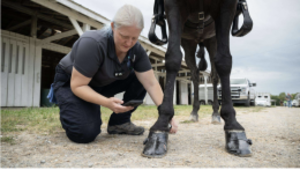
H.R.1684 is based on animal activist standards, not science. It erodes due process, punishes law-abiding horsemen, and jeopardizes livelihoods tied to equine sport, veterinary care, tack supply, and event-based agri-tourism.
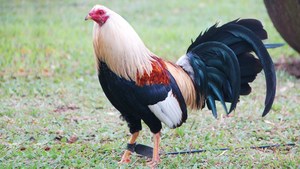
Protect Lawful Gamefowl Breeders from Unjust Profiling
Stop the FIGHT Act S.1454/H.R.3946
The FIGHT Act (Fighting Inhumane Gambling and High-Risk Trafficking Act) is once again being promoted as legislation to combat illegal animal fighting. While everyone agrees that organized animal fighting should be prosecuted under existing law, this bill reaches far beyond those who commit criminal acts.
Across the country, lawful gamefowl breeders are increasingly being treated as suspects simply because they raise and sell gamefowl. Many of these breeders have spent decades developing bloodlines for legal domestic and international markets. They operate legitimate businesses, comply with federal and state regulations, and export birds to countries where gamefowl are lawfully bred for exhibition, breeding, cultural purposes, and other legal activities.
A breeder cannot control what another individual chooses to do with a bird after it has been legally purchased, particularly once that bird leaves the United States. Holding breeders responsible for the independent actions of buyers is both unreasonable and dangerous. By that standard, countless lawful industries could be held liable for the misuse of products they legally sell.
The FIGHT Act (S.1454/H.R.3946) also expands federal authority in ways that increase the risk of profiling lawful breeders based solely on the type of birds they raise rather than evidence of criminal conduct. This creates a chilling effect on legitimate agriculture, breeding, and commerce while diverting valuable law enforcement resources away from actual criminal enterprises.
The United States already has strong federal and state laws prohibiting animal fighting. The problem is not a lack of laws. The problem is ensuring existing laws are properly enforc...
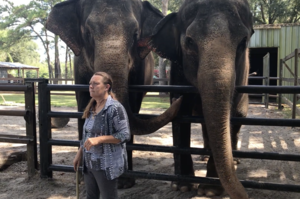
H.R. 3456 proposes amending the Animal Welfare Act to ban the exhibition, possession, and breeding of African and Asian elephants at zoological and safari parks. It directs the Secretary of Agriculture to mandatorily transfer all currently held elephants to federally “authorized” sanctuaries (accredited, nonprofit, no public exhibition for profit) within three years.
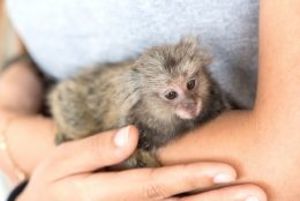
S.1594 fails to distinguish between large, dangerous primate species, and small, well-socialized species like capuchins or marmosets. S.1594 is a one-size-fits-all ban which would devastate responsible, law-abiding primate owners and breeders, forcing USDA into an enforcement role it is ill-equipped to handle—risking widespread confiscation, animal trauma, and even euthanasia due to lack of placement options.

The Kangaroo Protection Act of 2025 (S.2162), introduced by Senators Tammy Duckworth (D-IL) and Cory Booker (D-IL), targets four species of kangaroos: western grey, eastern grewy, common wallaroo, and red kangaroo INCLUDING dead animals parts, products, or any items derived from them.
Listen to Mindy Patterson, President of The Cavalry Group on the MacroPodcast with Cassidy Jagger where they discuss the Kangaroo Protection Act.
https://sites.libsyn.com/541902/episode-7-mindy-patterson-kangaroo-protection-act-2025